
Crispy Squishy vs Slow-Rising Squishy: What’s the Difference?
Squishies can look similar in photos while feeling completely different in your hand. Two popular styles are crispy squishies and slow-rising squishies. Both are designed to be squeezed, collected, displayed, and enjoyed, but they create different kinds of tactile feedback.
The easiest way to choose between them is to think about what you want to notice during each squeeze. Do you prefer texture, resistance, and a crisp or crackly sensation? Or do you prefer a soft shape that compresses and gradually returns? This guide compares the two styles so you can choose with more confidence.
What Is a Crispy Squishy?
A crispy squishy is designed to make texture and resistance a central part of the experience. Depending on the construction, a squeeze may feel crisp, crunchy, bumpy, crackly, or lightly popping. The word “crispy” describes the tactile sensation rather than the appearance.
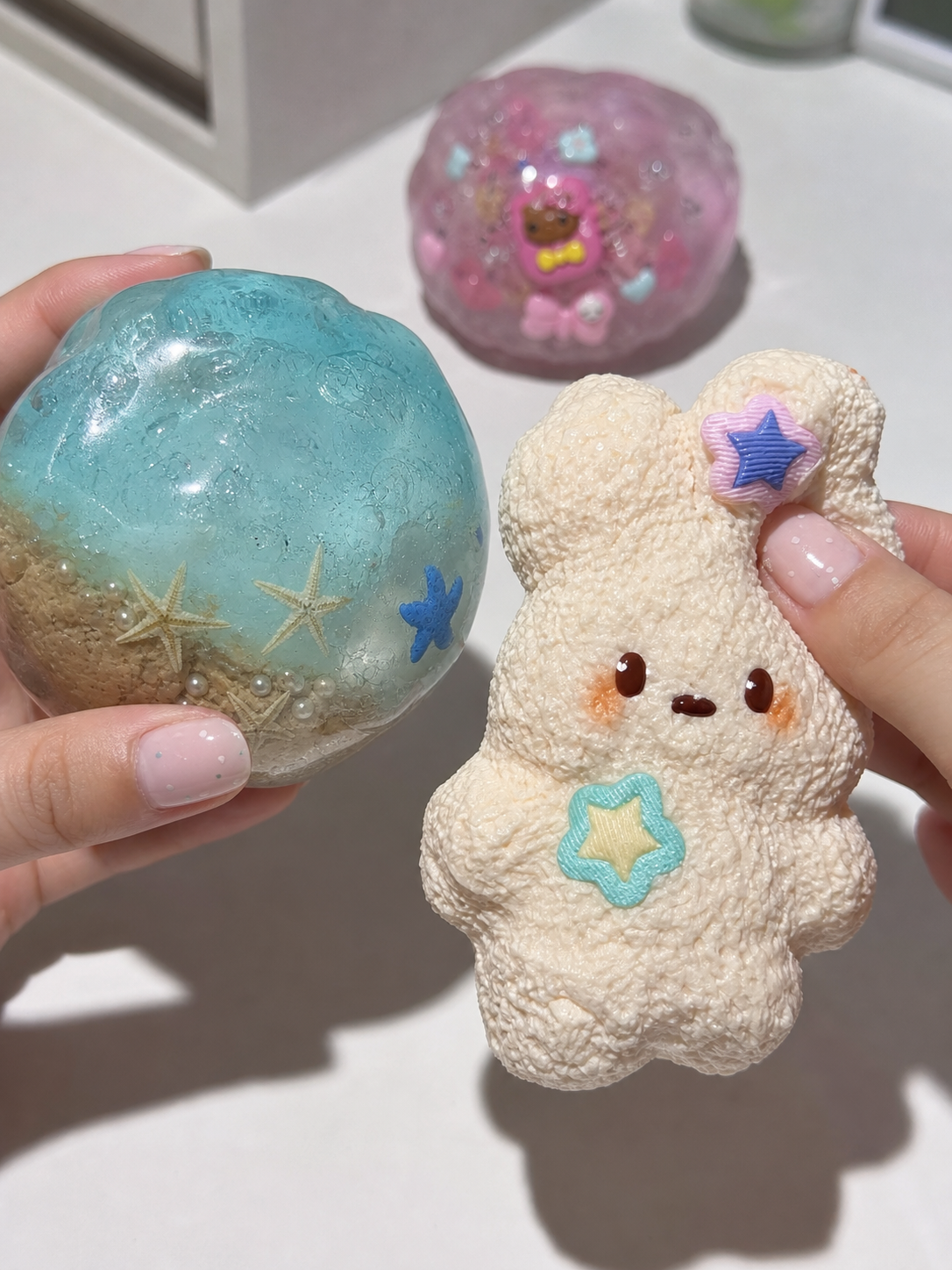
The exact feel can vary from one design to another. Some crispy squishies have a firm outer texture with a softer center. Others offer lighter resistance and a more subtle textured effect. Handmade pieces may also have small differences in shape, color, or surface detail, which means two pieces from the same design may not feel perfectly identical.
If you want to see a current example, explore the Handmade Crispy Squishy Stress Ball. It is available in Ocean, Rainbow, Fanta, Kitty Bubble, Peach Ice, and Guava Puff designs.
What Is a Slow-Rising Squishy?
A slow-rising squishy focuses on compression and recovery. You press the shape down, release it, and watch or feel it gradually return instead of springing back immediately. The appeal comes from the soft squeeze and the visible rebound.
Slow-rising does not mean that every product returns at exactly the same speed. Shape, thickness, design, temperature, and construction can all affect the experience. A compact keychain style may feel different from a larger display piece even when both are described as slow-rising.
For a portable example, view the Handmade Bunny Squishy Keychain, offered in Milky Tea, Fresh Milk, and Lying Bunny styles.
The Main Difference: Texture vs Rebound
The clearest difference is what happens while and after you squeeze.
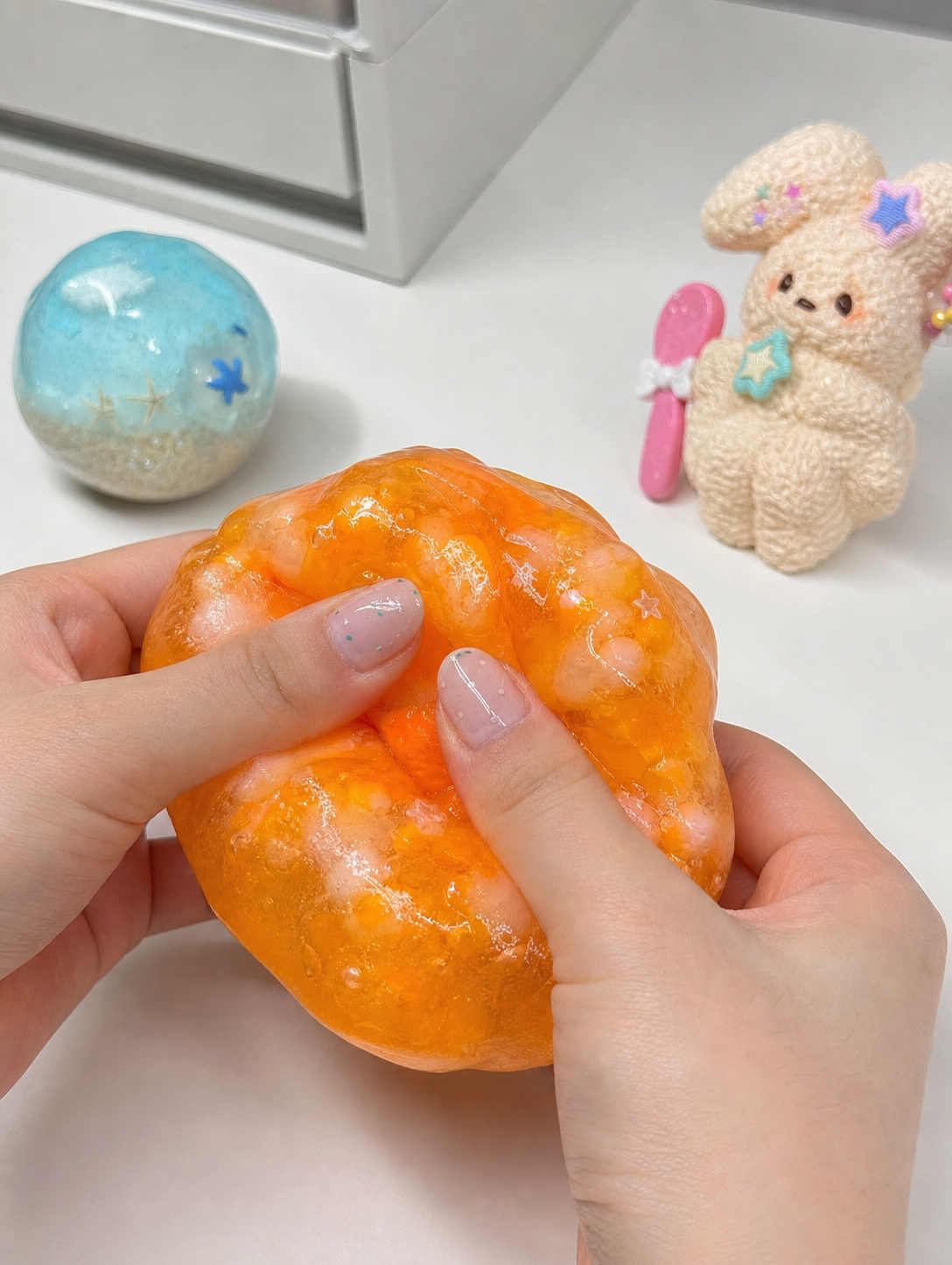
A crispy squishy emphasizes what you feel during compression. Texture and resistance create the main sensory moment. You may notice a firmer press, a crackly response, or changing texture as the shape moves in your hand.
A slow-rising squishy emphasizes what happens after compression. The shape stays pressed briefly and then begins to recover. Watching the gradual return is part of the experience, especially with larger or more detailed designs.
Neither style is automatically better. They simply place attention on different parts of the squeeze.
Side-by-Side Comparison
Texture
Crispy squishies usually provide more noticeable surface or internal texture. Slow-rising designs often feel smoother and softer, although the exact finish depends on the individual product.
Resistance
A crispy design may require a more active squeeze because resistance is part of its appeal. A slow-rising design may compress more easily, with the recovery speed becoming the most noticeable feature.
Visual experience
Slow-rising squishies offer a visible before-and-after moment as the compressed shape returns. Crispy squishies are often more about what your hand feels, although their shapes and colors can still be collectible and decorative.
Sound
Some crispy squishies may create a light crackly or crunchy sound. Slow-rising designs are generally chosen for softness and rebound rather than sound. Always read the individual product description because sound can vary.
Portability
Both types can be portable, but size and attachments matter more than category. A compact bunny keychain can be easier to carry than a larger round stress ball. If you plan to attach a squishy to a bag, avoid pulling or twisting decorative parts and attachments.
Which Squishy Is Better for a Desk?
Both styles can work well on a desk, but they suit different habits.
Choose a crispy squishy if you want a more noticeable, active squeeze between tasks. The texture can make a short desk break feel engaging without requiring a screen.
Choose a slow-rising squishy if you enjoy pressing a shape and watching it recover. It can also work as a cute desk accent when you are not using it.
Before placing any handmade squishy on a work surface, keep it away from sharp stationery, keys, rough jewelry, hot devices, and prolonged direct sunlight.
Which Style Is Better for a Gift?
Start with the recipient’s preferences. Someone who likes strong tactile feedback may appreciate a crispy squishy. Someone who enjoys soft textures, cute characters, or watching shapes slowly return may prefer a slow-rising design.
Design matters too. Food-inspired and colorful crispy styles can suit collectors who like playful displays. A bunny keychain may suit someone who wants a smaller accessory for a bag, keys, or desk.
When buying a gift, check the product page for the available style, price, care guidance, age information, and small-parts warning. A realistic food-inspired design is still not food and should never be treated as edible.
Can You Collect Both Types?
Yes. Crispy and slow-rising squishies create different experiences, so a collection does not need to choose only one category. You might keep a textured round squishy at your desk and use a smaller slow-rising character as a bag charm.
A mixed collection can also help you learn which shapes, textures, and levels of resistance you use most often. Browse all SIGOR products to compare current designs rather than relying only on short videos or product photos.
Care Tips for Both Styles
Use clean, dry hands and squeeze gently. Do not pull small decorative parts, overstretch the surface, or press the squishy against sharp objects. Keep it away from high heat and prolonged direct sunlight.
If cleaning is needed, follow the care instructions shown on the product page or packaging. When the exact construction is unknown, careful wiping is generally safer than soaking or aggressive scrubbing. Allow the item to air dry before storing it.
Store squishies separately from keys, pins, rough metal accessories, and other items that may scratch or puncture them. Handmade details can be delicate, so a small container or a separate drawer section can help protect them.
Frequently Asked Questions
Is a crispy squishy the same as a slow-rising squishy?
No. A crispy squishy emphasizes textured resistance during the squeeze, while a slow-rising squishy emphasizes gradual shape recovery after release. Some products may combine several sensations, so read the individual description.
Do all crispy squishies make a sound?
No. The strength of any crackly or crunchy sound varies by design and construction. “Crispy” can also describe texture and resistance rather than a loud sound.
Do all slow-rising squishies return at the same speed?
No. Recovery can vary with the product’s shape, thickness, construction, and surrounding conditions.
Are handmade squishies identical?
No. Slight variations in color, shape, and surface detail are normal in handmade pieces and can be part of their character.
Are squishies edible?
No. Food-shaped and food-inspired squishies are not edible. Keep products with small parts away from children under three, and provide appropriate adult supervision for younger users.
How to Choose
Choose a crispy squishy when you want texture, resistance, and a more active tactile squeeze. Choose a slow-rising squishy when you want softness, visible compression, and gradual rebound. If both experiences appeal to you, start with one of each and compare them directly.
Explore the Handmade Crispy Squishy Stress Ball or the Handmade Bunny Squishy Keychain to find the style that fits your collection, desk, bag, or gift list.